In July of 2021, I talked with my best friend of nearly a decade about mental health, which inevitably led to social media. She told me that she had deleted certain apps because they simply didn’t make her feel good. As we continued to talk, I was intrigued and inspired. I deleted all social media apps from my phone on the spot. These included:
- TikTok
- Facebook Messenger
I went about a month before redownloading. As I was gearing up to go back to college for the fall semester, I redownloaded some of the apps. Facebook and Instagram felt necessary because information and updates are often posted there.
A few weeks later, I was offered a position as a social media assistant with the Quinnipiac University Office of Marketing and Communications. When I joined the team, I redownloaded LinkedIn and TikTok; apps that I no longer used but needed for my new position.
Part of the job is knowing what’s trending, and the only way to know that is by being active on the apps. Even with frequent reviews of post analytics, it can be difficult to predict what content will do well. For example, on Instagram, posts with vibrant images and a CTA in the caption (such as “Who is your favorite Bobcat to walk to class with?”) get more interactions which boost it in the algorithm and, in turn, gets even more interactions.
The challenge really arises for other platforms like TikTok, where success lies in working with the algorithm. The most popular trends find their way to most “For You” pages, making them widely known and recognizable. Content that comes across your “For You” page also depends on how TikTok categorizes you. The longer you spend using the app, interacting with content, the more specific it gets.
What separates TikTok from other platforms is that most of the content you see when using the app isn’t from accounts that you follow. You’re more likely to see content from an account you follow than from one you don’t, but most content on the “For You” page is from accounts you haven’t interacted with. Instagram, for example, is the opposite because your dashboard is all people you follow.
Because of this, TikTok requires an entirely different approach to content creation. Rather than simply posting about the University, we have to look for ways to utilize trends.
Creating content like that can be highly challenging, so working in a team is beneficial. A few months ago, my manager said that she heard a sound that says, “It’s like a reward” and wanted to find a way to use it.
The videos she had seen used it to joke about buying a $1.50 hotdog for yourself after spending $500+ at Costco. We brainstormed ideas and decided to move forward with one I came up with; “taking a three-hour break after five minutes of studying.”
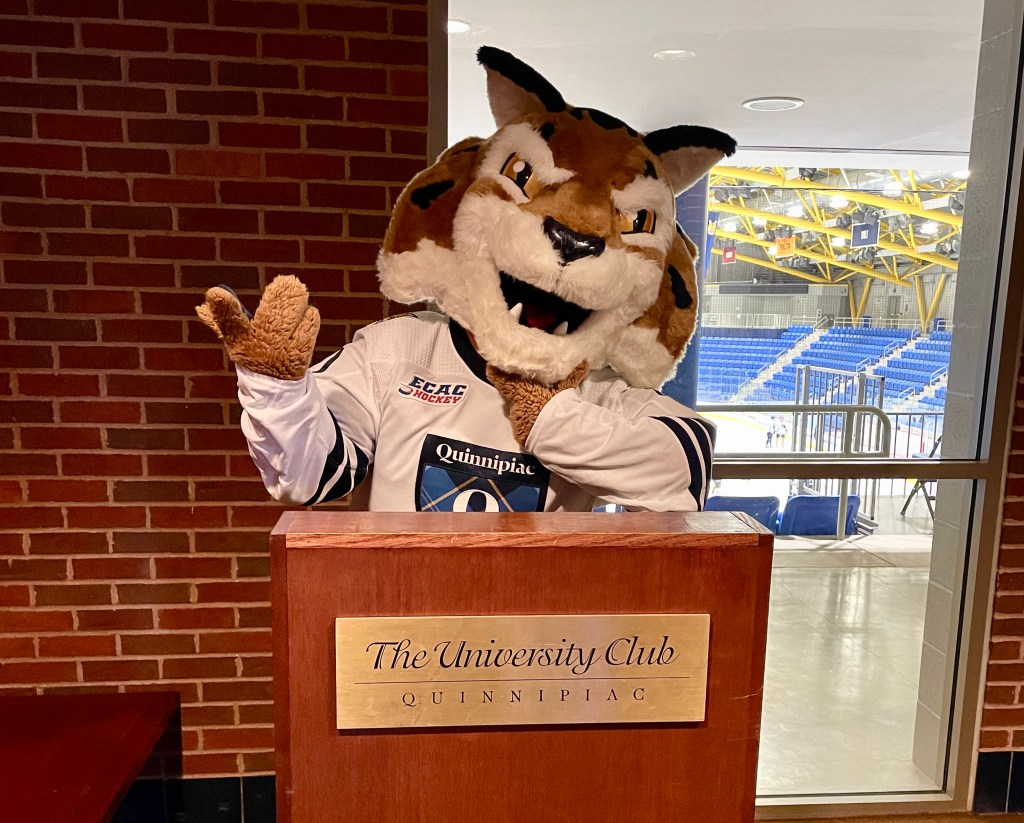
This concept was successful because it uses a popular sound, is funny, and is relatable to our target audience; current and prospective students. We also used our mascot, Boomer the Bobcat, to add to the humor and visual appeal. Currently, it’s one of the most viewed posts on @quinnipiacu on TikTok.
Nothing is set in stone for content creation, which makes it a continuous challenge. Working in a team for social media makes your chances of success skyrocket because everyone can bring different perspectives to the conversation.
 Victoria Lorenz