-
ICM 508 Module 4

Overview In this module, I learned about the shooting and editing process. After reading, watching videos, and researching, I shot footage and edited it into a montage. I got to decide what editing style worked best for the story I was telling and practiced using sound to support it. Reading and Writing This week I…
-
ICM 508 Module 3
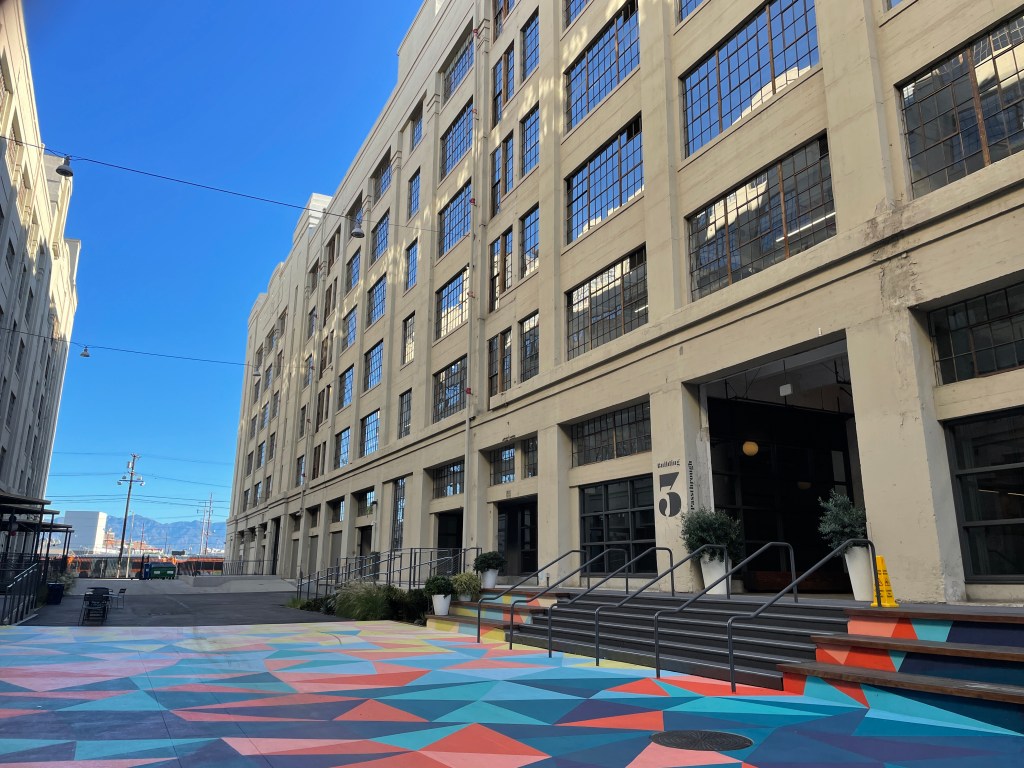
Overview In this module, I studied visual composition by reading, researching, and using it through photography. Soon I will use this knowledge to make a video montage of my chosen place. Once I had a strong understanding of visual composition, I began the pre-production process for the montage and planned out exactly what it would…
-
ICM 508 Module 2

Overview In this module, I recorded and edited a short podcast episode about human-centered design. I recorded using the built-in microphone in my 2018 MacBook Pro and sourced all of the music and effects from freesound.org. I also read about tips for editing audio and best practices for combining audio and video. Reading & Writing Recording…
-
ICM 508 Module 1
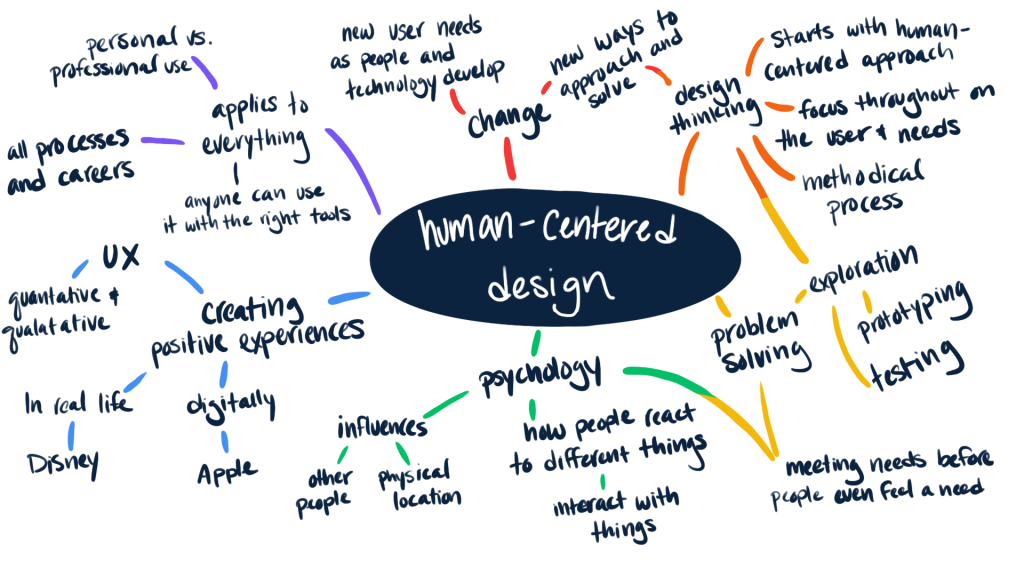
Overview In this module, I learned about the basics of sound and podcasting. After reading about both topics, I listened to podcasts and reflected on why I enjoyed them and what made them effective. Finally, I developed a mind map to help me begin planning my own podcast episode. Reading & Writing Basics of Sound…
-
ICM508: Preview Week

I’m Victoria Lorenz, from Cherry Hill, New Jersey, and I’m a creative design intern at Pacific World Corporation in Los Angeles, California. I work on a diverse range of projects, including package design, new product development, and customer-facing print collateral. In my previous position, I was a creative design intern at L.L.Bean and primarily worked…
-
Why You Should Make Journey Maps
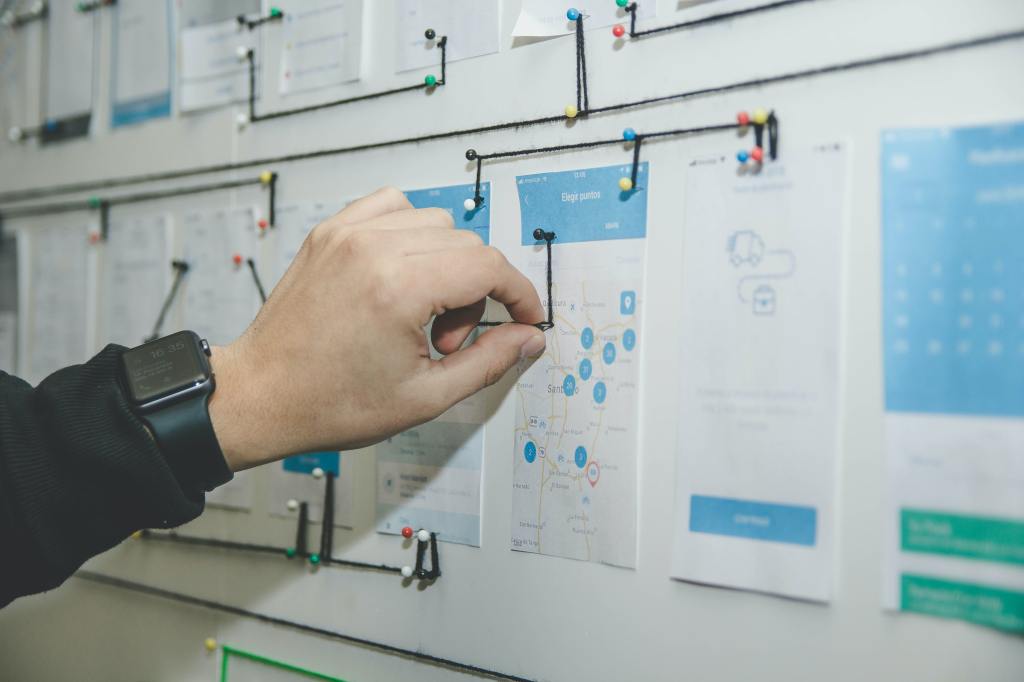
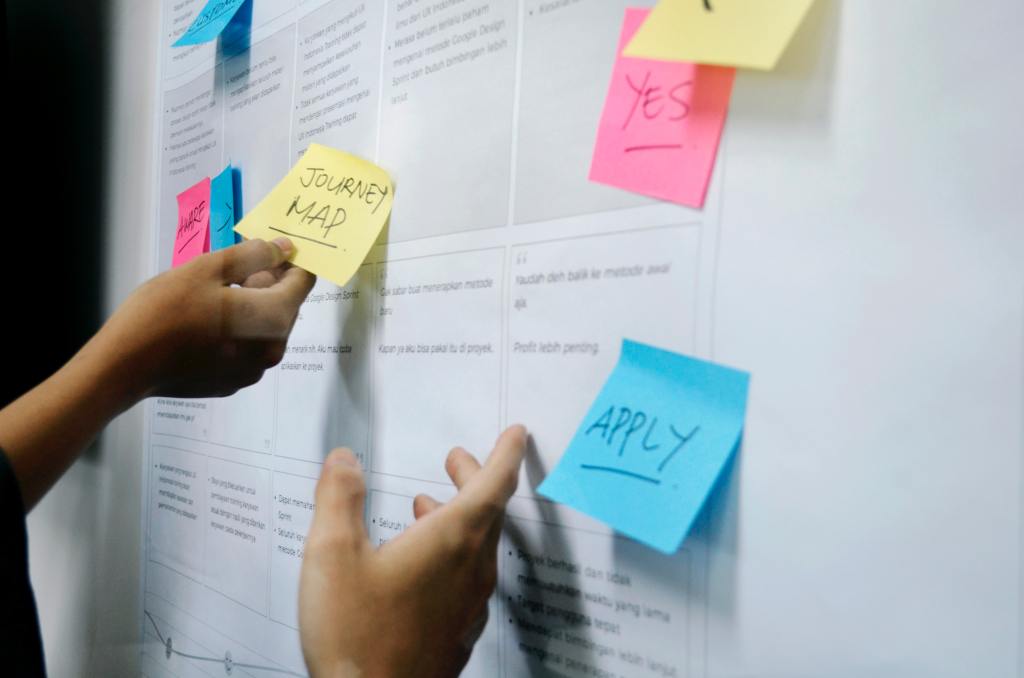
What Is a Journey Map Journey maps allow designers to visually lay out a user’s process when working toward a goal. A successful journey map combines the first three steps in design thinking: empathizing, defining, and ideating. Journey maps exercise our understanding of the user and the problem, helping us understand the details, pinpoint weak points,…
-
Ideation Techniques for Better Problem Solving
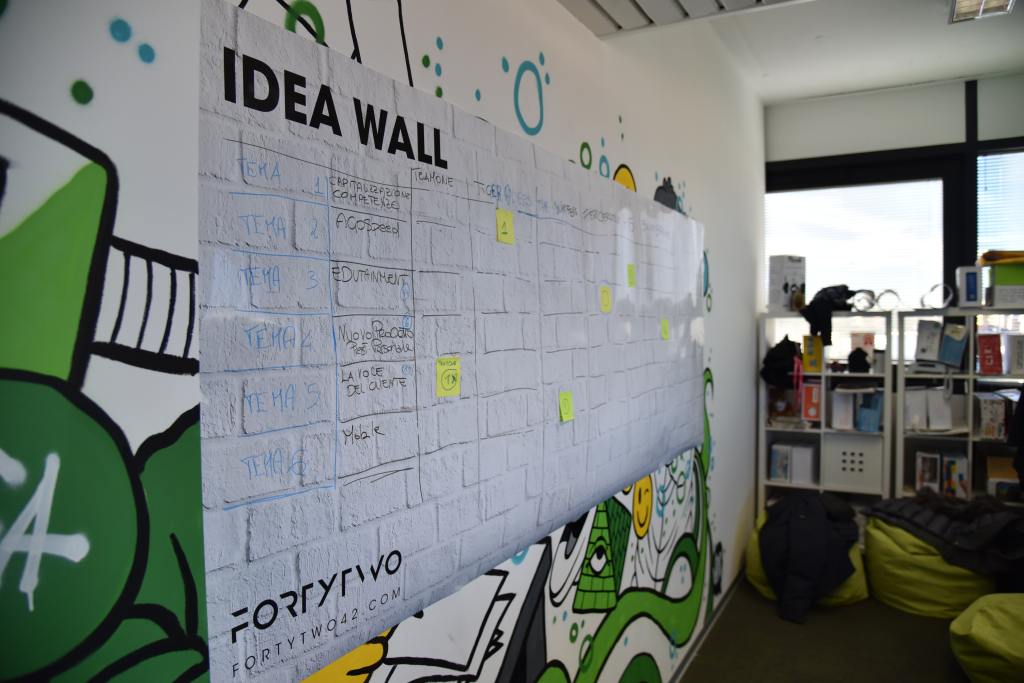
The Approach is Important Ideation is the process of generating ideas and solutions to a specific problem. It usually occurs in sessions where designers apply different techniques. Rikke Dam and Teo Siang from Interaction Design Foundation say the goal of ideation is to “generate a large number of ideas that the team can then filter and cut…
-
Learn to Read Minds Like a UX Designer

What is a POV Statement? UX designers can’t exactly read minds, but they do the next best thing. They form point of view (POV) statements that break down a problem, making it meaningful and actionable. Rikke Dam and Teo Siang from Interaction Design Foundation explain that POV statements ensure designers target the right issue. POV statements also…
-
The Secret to Creating Successful User Personas
About personas User personas are “archetypical users whose goals and characteristics represent the needs of a larger group of users,” says Patrick Faller from Adobe. It’s also important to note that while personas rely on archetypes, they represent a specific person with specific needs. Doing so prevents designers from making generic products and features. Personas provide…
-
Why UX Designers Love Empathy

What is empathy and empathy research? User experience designers use the word “empathy” a lot, but what does that really mean? According to Greater Good, empathy is generally defined as “the ability to sense other people’s emotions, coupled with the ability to imagine what someone else might be thinking or feeling.” It is critical to note…
-
Subscribe
Subscribed
Already have a WordPress.com account? Log in now.
 Victoria Lorenz