-
An Introduction to Data Visualization
Data visualization has existed for hundreds of years. It began with maps documenting weather and elevation and has evolved into measuring almost anything you can imagine. Advances in technology let us share all kinds of information in many different ways. Everything from weather maps, like at the origin of data visualization, to graphs of COVID…
-
A Graphic Designer’s Guide to Color
Color can make or break a design. When colors work well, we hardly notice them, but they become distracting and disruptive when applied poorly. Understanding color theory allows designers to use color more successfully and, therefore, make more effective work. Color is broken down into three main categories: primary, secondary, and tertiary. The primary colors are red,…
-
Fonts vs. Typefaces: The Difference & Why It Matters
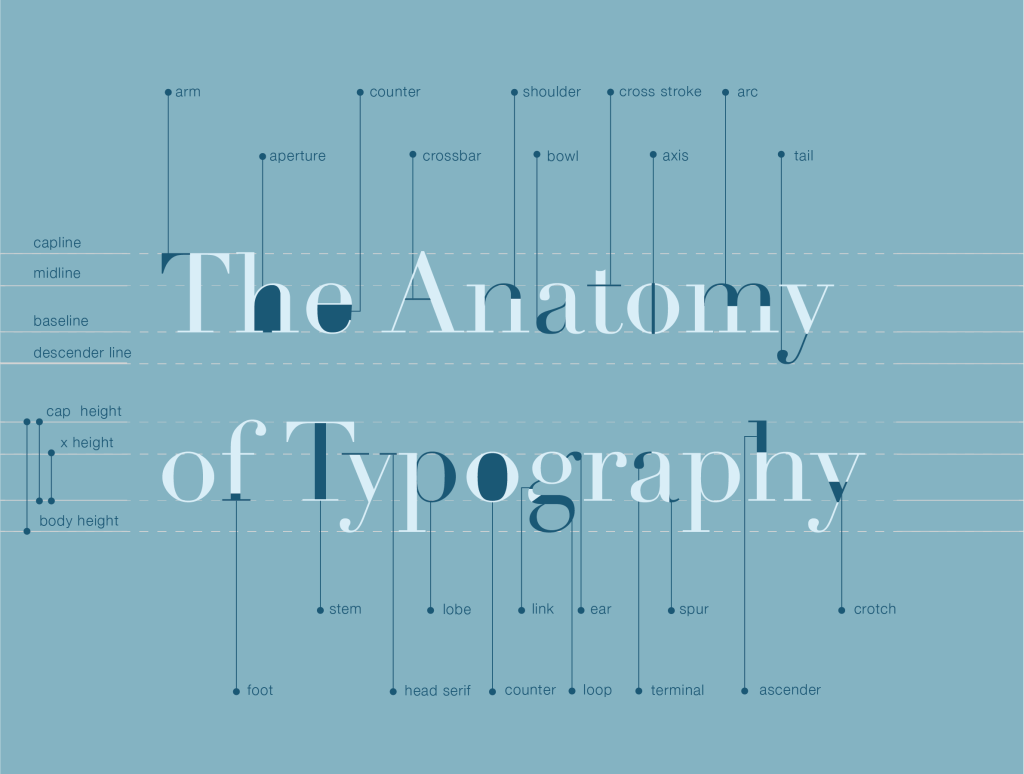
When you talk to a graphic designer about the words that appear in their design, you’ll most likely hear them refer to the typeface. If you talk to almost anyone else about words they’re putting on a page, they’re more likely to call their appearance the font. The world font is more widely used but…
-
You Should Have a Sketchbook: Here’s Why

Graphic designers primarily work digitally, so do we really need to keep a sketchbook? Angel Jimenez writes that sketchbooks serve as a place to jot down ideas and let inspiration flow. So, if you work in any creative process, the answer is yes; you absolutely do need to keep a sketchbook. What is a Sketchbook Sketchbooks come…
-
Writing for Social Media

Part of what makes short-form writing so tricky is that the context for the different platforms that it can appear on is different. Writing in the short form about something written in the long-form makes it even more complex. I wrote three short-form pieces, one for Twitter, one for LinkedIn, and one for Instagram as…
-
Information Architecture and User Flows
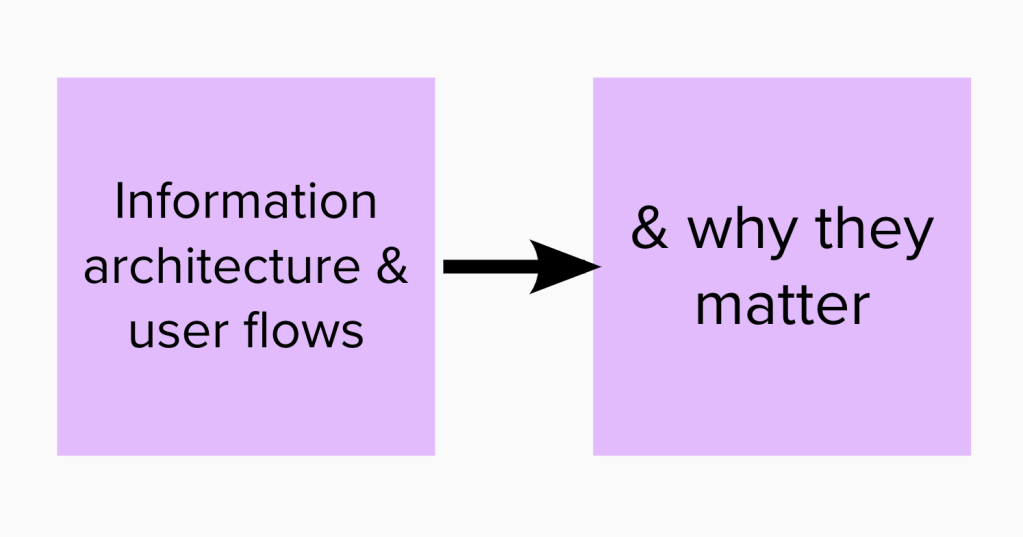
One of the most important parts of developing or redesigning an app is having a sound information architecture to work from. In The Elements of User Experience, Jesse James Garrett defines information architecture as being “concerned with how people cognitively process information” and says it comes up “in any product that requires users to make…
-
The Hidden Toll of Being a Social Media Manager
Seven months ago, I accepted a position as a social media assistant at the Quinnipiac University office of Marketing and Communications. I’ve never been too crazy about social media, posting once or twice a year. Still, it seemed like an exciting opportunity and a great way to learn about social media from a professional perspective.…
-
The Curse of Knowledge & Why UX/UI Designers Need to Know About It

Once you know the answer to something, it seems obvious. If you’ve ever played a party game where the goal is to decipher the unspoken rule, you know this. If you’ve been in this situation, you also know how frustrating it is when you can’t figure out the secret. I once played a game where…
-
Branding Reflection
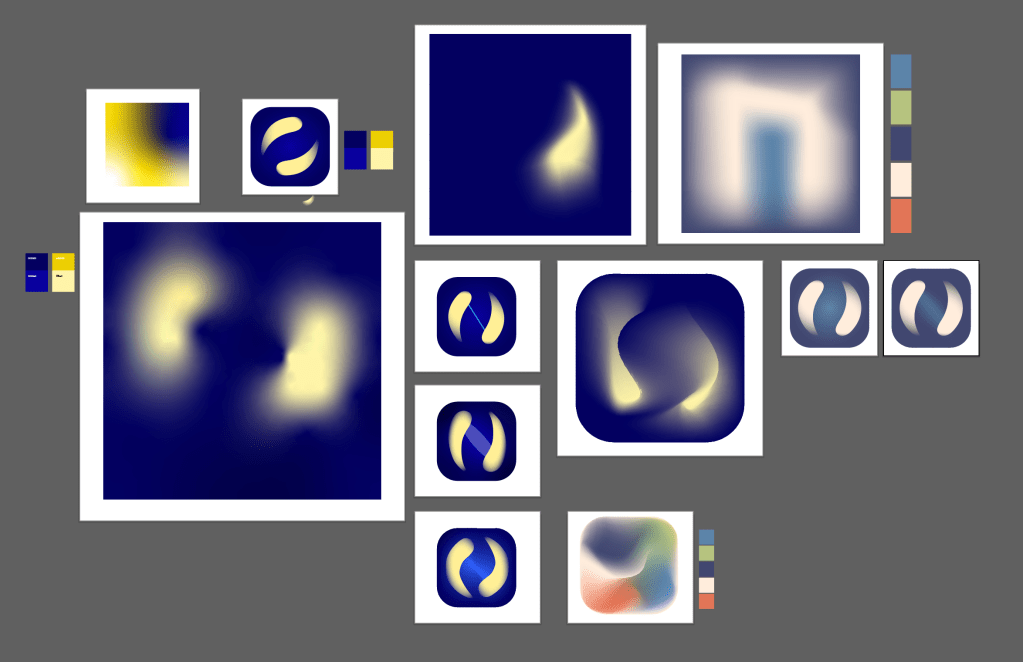
Overall, the branding process was an enjoyable challenge. The product objectives, user needs, success metrics, and user analysis helped me develop a tone of voice, select meaningful colors, and typography. I used the website coolors.com to help me pick colors and visualize how they work together in the platform’s dynamic layout. I decided on Moret…
-
Context: Your Key to Success

“Content is king, but context is God.” Gary Vaynerchuck’s statement is short, bold, and, ironically, it doesn’t make much sense when taken out of context. He wrote this in response to Bill Gates’s 1996 essay Content is King. Vaynerchuck’s theory suggests that content means nothing unless the creator frames it to respect the platform that houses…
-
Subscribe
Subscribed
Already have a WordPress.com account? Log in now.
 Victoria Lorenz